
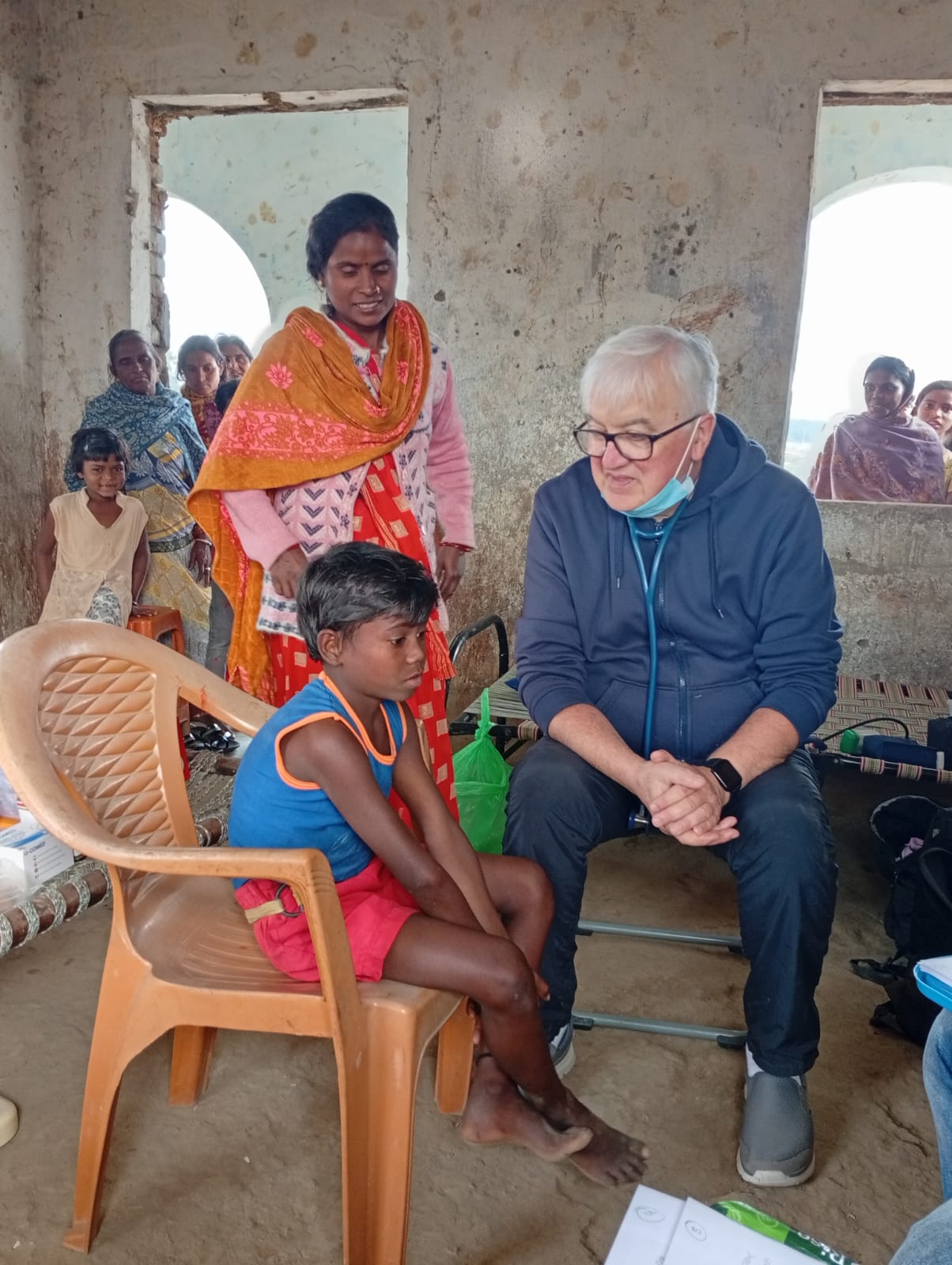
Medical Missions in Bodhgaya (India) and the Evolution of Artificial Intelligence in Oncology
The association continues its medical initiatives while reflecting on the evolution of modern medicine. Several projects are currently being prepared, including the organization of medical missions in India and monitoring technological advances that are transforming medical practice.
Humanitarian Medical Missions Planned Around Bodhgaya, India (2026-2027)
The association plans to carry out four humanitarian medical missions between November 2026 and February 2027, each lasting an average of three weeks.
These missions will take place in small villages around Bodhgaya, India, where access to healthcare remains limited for a large part of the population.
To date, four doctors have already expressed their wish to participate in these missions. The association is also continuing its search for nurses and physiotherapists in order to form complementary and well-balanced teams to work with local communities.
The objective of these missions is to provide medical consultations, primary healthcare services, and medical support in villages throughout the Bodhgaya region.
Anyone interested in participating in these humanitarian initiatives is invited to contact the association:
contact@ktm-care.org
Artificial Intelligence and Medical Practice in Oncology
An article published in February 2026 in Le Quotidien du Médecin highlights the significant transformations that artificial intelligence could bring to medical practice, particularly in the field of oncology.
According to the director of Gustave Roussy:
“The tsunami of AI lies ahead of us; it will move faster than our preparation, and healthcare will not escape it. It is clear that this tool will become necessary if we aim to achieve the goal of curing 80% of cancer patients by 2040.”
Artificial intelligence is already being used in certain hospital departments. In medical imaging, for example, it helps radiologists identify cancerous lesions more efficiently.
Several other applications may also develop in the coming years:
- management and scheduling of medical appointments to reduce delays in patient care
- screening for precancerous lesions
- automated analysis of complex medical records, producing summaries with key information and saving valuable medical time
These developments open important perspectives for improving diagnosis, prevention, and the treatment of cancer patients.
However, caution remains essential. Physicians will need to position themselves quickly to regulate the use of these tools and ensure their development remains human-centered, responsible, and ethical, particularly within multidisciplinary committees.